

Agriculture is changing fast, and technology is playing a major role in how farms operate more efficiently and sustainably. One of the most impactful developments in recent years is the rise of agricultural drone services. These solutions allow farmers to manage crops with greater accuracy, reduce waste, and improve overall productivity. In California, where diverse crops and challenging terrain demand smart approaches, drone-based aerial services have become an essential tool.
At the center of this shift is Specialty Drone Solutions, a provider focused on precision aerial application for modern farming. Using FAA-certified drones, they support growers with spraying, spreading, seeding, and crop monitoring, including drone crop spraying services designed to improve efficiency and reduce waste. For farmers looking to adopt smarter practices without adding heavy machinery or labor, agricultural drones offer a practical and proven solution.
This guide explains how agricultural drone services work, why they matter, and how precision aerial solutions are reshaping farming operations.
Why Agricultural Drone Services Matter Today
Farmers face constant pressure to produce more while using fewer resources. Rising input costs, labor shortages, and environmental regulations make traditional methods harder to sustain. Agricultural drone services address these challenges by delivering targeted solutions that focus only where needed.
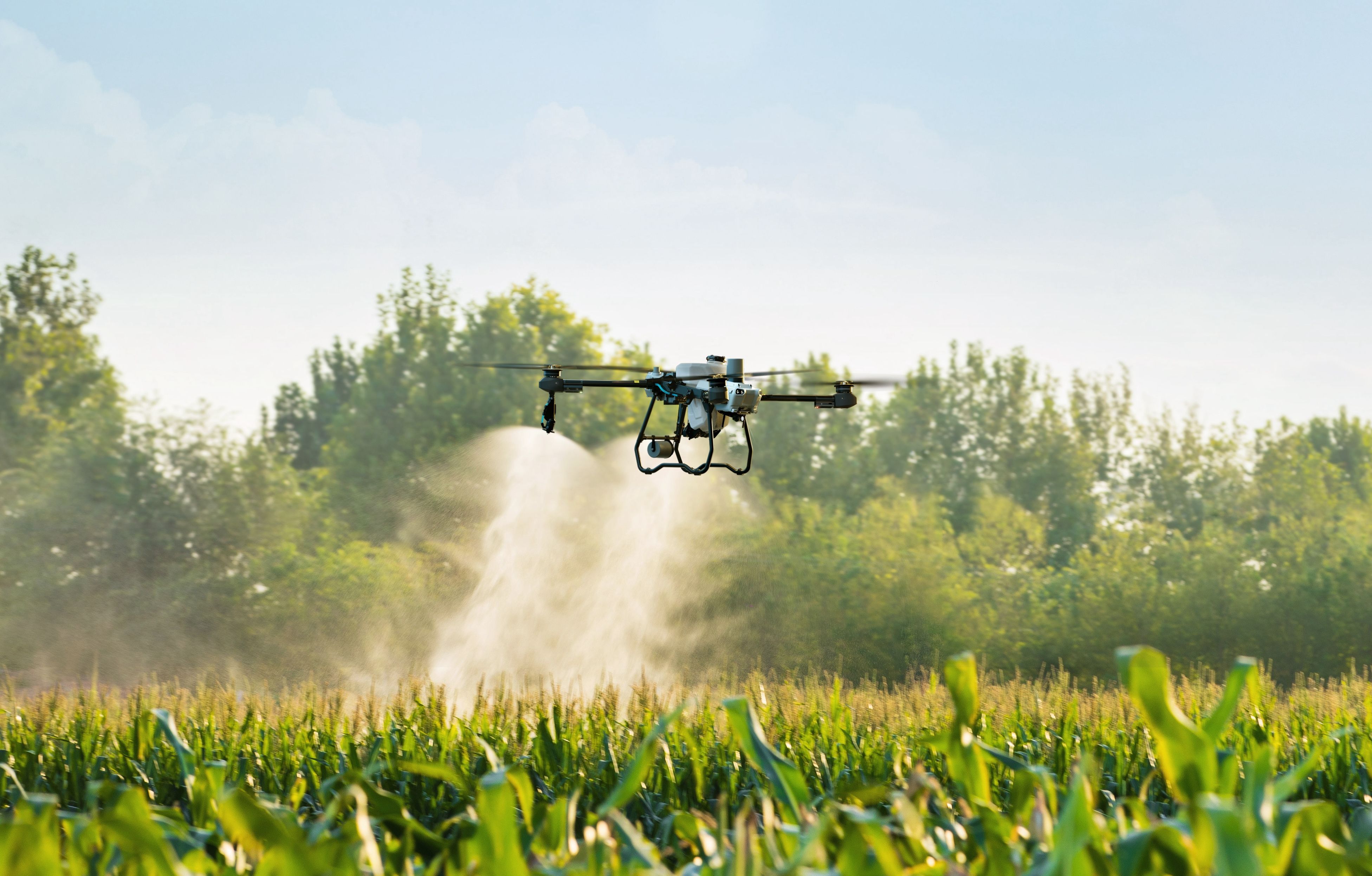
Precision aerial application allows farmers to apply liquids or granules accurately, reducing overuse and runoff. Instead of blanket spraying entire fields, drones treat specific areas based on crop condition. This approach improves effectiveness while lowering chemical and fuel costs.
Drones also reduce soil compaction and crop damage that can occur with ground equipment. Because they operate from the air, fields remain undisturbed, which supports healthier plants and better long-term yields.
The Evolution of Drones in Agriculture
The use of drones in agriculture began with simple aerial imaging. Early applications focused on crop scouting and mapping, helping farmers identify stressed areas, irrigation issues, or pest pressure. These insights alone transformed decision-making on many farms.
As drone technology advanced, payload capacity, flight stability, and software integration improved. This opened the door to precision aerial application, where drones could actively apply inputs rather than just observe fields.
Today, agricultural drones are capable of spraying crops, spreading seed or granular products, and collecting detailed data in real time. These capabilities have made drones a practical working tool rather than a novelty, especially for farms managing large or hard-to-reach areas.
Precision Aerial Application Explained
Precision aerial application is one of the most valuable uses of agricultural drones. It involves applying products such as fertilizers, herbicides, or pesticides exactly where they are needed. This level of accuracy reduces waste and improves results.
Drones can fly low and slow, maintaining consistent coverage even in uneven terrain. Their onboard systems control flow rates and application patterns, ensuring uniform treatment across targeted zones.
Because drones are digitally controlled, applications can be adjusted quickly based on field conditions. This flexibility allows farmers to respond faster to issues like pest outbreaks or nutrient deficiencies.
Drone Spraying for Crop Protection
Drone spraying is especially useful for pest and disease management. Instead of relying solely on large sprayers that may struggle in wet fields or tight spaces, drones can operate under a wider range of conditions.
In California agriculture, where crops often vary within the same field, targeted drone spraying reduces unnecessary chemical use. This supports both environmental goals and cost control.
Drone spraying also improves safety. Operators remain at a distance from chemicals, reducing exposure risks compared to manual or ground-based methods.
Drone Spreading and Seeding Applications
Beyond spraying, drones are increasingly used for spreading and seeding. Drone cover crop seeding allows farmers to plant seeds quickly and evenly across large areas. This is especially valuable for improving soil health and reducing erosion between growing seasons.
Spreading granular products with drones offers similar benefits. Inputs can be applied evenly without heavy machinery entering the field. This reduces compaction and protects soil structure.
These methods are particularly useful for late-season applications or fields that are difficult to access with traditional equipment.
Crop Mapping and Data-Driven Decisions
Crop mapping remains a core component of agricultural drone services. High-resolution aerial data provides insights into plant health, growth patterns, and variability across fields.
Using this data, farmers can make informed decisions about where to apply inputs and where to hold back. This targeted approach improves efficiency and helps avoid unnecessary expenses.
Over time, consistent mapping also helps track trends and measure the effectiveness of different practices. This supports continuous improvement in farm management.
Handling Complex Terrain and Sensitive Areas
One of the biggest advantages of drones is their ability to operate in complex or sensitive terrain. Hillsides, irregular field shapes, and wet areas can be challenging for ground equipment. Drones eliminate these obstacles.
Precision aerial application in difficult terrain allows farmers to manage crops without damaging land or infrastructure. This is especially important in vineyards, orchards, and specialty crop operations.
Drones also support environmentally sensitive areas by minimizing disturbance. This makes them suitable for operations focused on conservation and sustainability.
Greenhouse and Controlled Environment Support
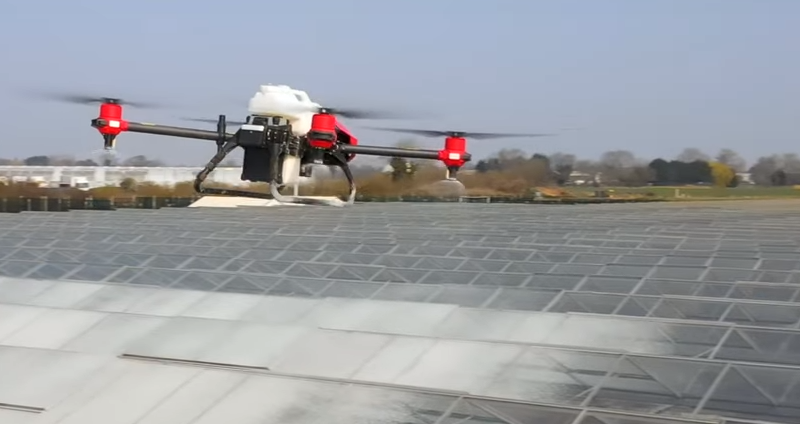
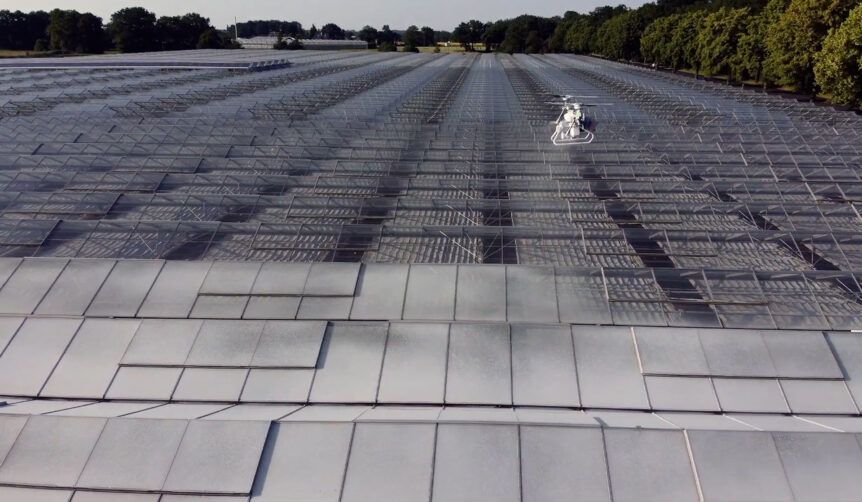
Agricultural drones are not limited to open fields. Greenhouse drone services help growers monitor conditions and manage crops in controlled environments.
Drones can quickly inspect large greenhouse structures, identify problem areas, and support targeted treatments. This saves time and improves accuracy compared to manual inspections.
As greenhouse operations grow in scale, drone support becomes an efficient way to maintain consistent oversight.
Invasive Weed Control With Drones
Invasive weed control is another area where drones provide clear benefits. Instead of treating entire fields, drones can target specific weed patches. This reduces chemical use and protects desirable plants.
Precision treatment also helps prevent the spread of invasive species by addressing problems early. Over time, this approach supports healthier fields and reduces long-term management costs.
Environmental and Economic Benefits
Agricultural drone services offer both environmental and financial advantages. Reduced chemical use means less runoff and lower impact on surrounding ecosystems. This aligns with sustainability goals and regulatory requirements.
Economically, drones help lower input costs and labor needs. Faster application and reduced waste translate into measurable savings over time.
For many farms, these benefits make drone services a practical investment rather than an experimental tool.
Why Choose Professional Drone Services
While drone technology is becoming more accessible, professional agricultural drone services provided by experienced drone spraying companies offer expertise, compliance, and reliability. FAA-certified operators ensure that flights and applications meet legal and safety standards.
Professional providers also understand application rates, crop needs, and regional conditions. This knowledge helps maximize results and avoid costly mistakes.
Working with experienced operators allows farmers to focus on production while leveraging advanced technology without managing it themselves.
The Future of Precision Aerial Solutions
As technology continues to improve, agricultural drones will play an even larger role in farming. Better sensors, longer flight times, and improved automation will expand their capabilities.
Precision aerial solutions support a shift toward smarter, more efficient agriculture. By combining data, targeted application, and flexible deployment, drones help farms adapt to changing conditions and market demands.
This approach supports long-term sustainability while maintaining productivity and profitability.
Final Thoughts
Agricultural drone services are redefining how farms manage crops, resources, and costs, which is why many growers now search for drone spraying near me when looking for efficient aerial solutions. From precision spraying and spreading to crop mapping and seeding, drones provide practical solutions for modern agriculture.
With experienced providers like Specialty Drone Solutions, farmers gain access to reliable, compliant, and effective aerial services. Precision aerial application is no longer a future concept. It is an active tool helping farms operate smarter today.