

When it comes to crop application, the real question for most farms isn’t which method is newer or more advanced. It’s which one actually saves money without sacrificing yield, compliance, or long-term soil health.
Across Southern California, growers are increasingly comparing traditional ground rigs and aerial planes with agricultural drone spraying to see where real savings show up in day-to-day operations. The answer is rarely one-size-fits-all.
This guide breaks down where drone spraying outperforms traditional spraying, where conventional equipment still makes sense, and how many farms are combining both to control costs more effectively.
Why Farms Are Re-Evaluating Spraying Methods
Spraying has always been a major cost center. Fuel, labor, chemical inputs, equipment wear, and timing all affect the final number per acre.
Traditional spraying methods still play an important role, but many Southern California farms are dealing with
- Higher fuel and labor costs
- Increased scrutiny around drift and runoff
- Soil compaction from repeated equipment passes
- Smaller, irregular, or sensitive application zones
As a result, more operations are turning to precision drone application to supplement or replace certain spray passes where traditional equipment becomes inefficient.
Drone Spraying vs. Traditional Spraying: The Cost Drivers That Matter
Instead of comparing technologies in abstract terms, it’s more useful to compare where the dollars go.
1. Chemical Use and Application Efficiency
Traditional sprayers often rely on blanket coverage. Even with good operators, overlap and missed zones happen, especially in irregular fields.
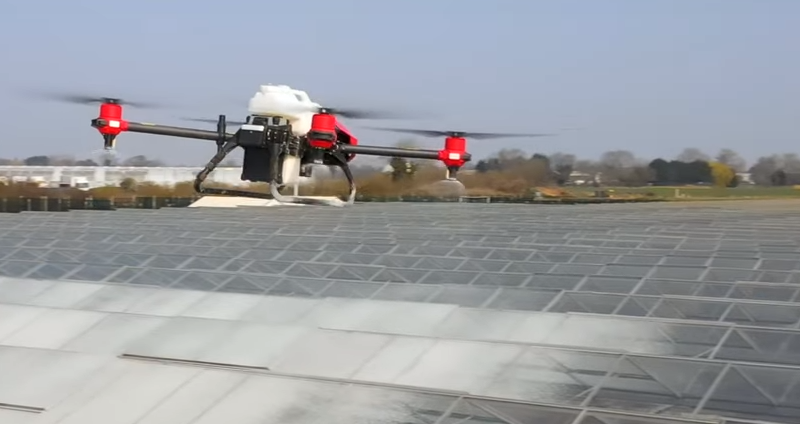
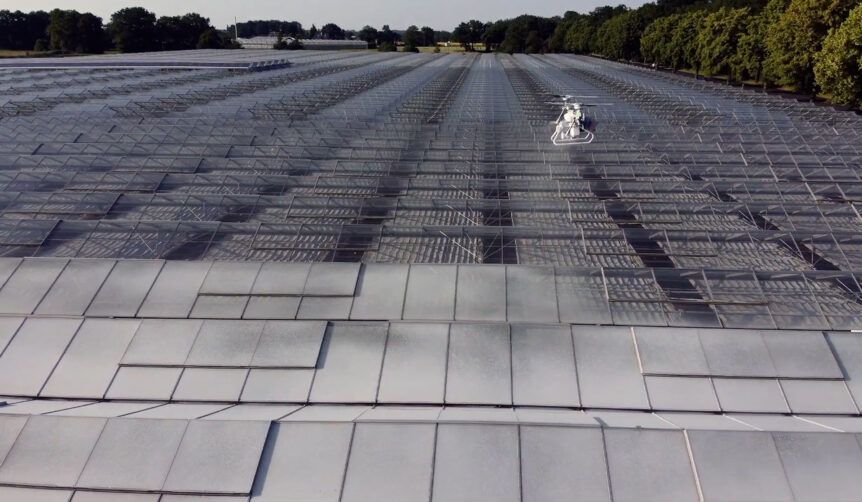
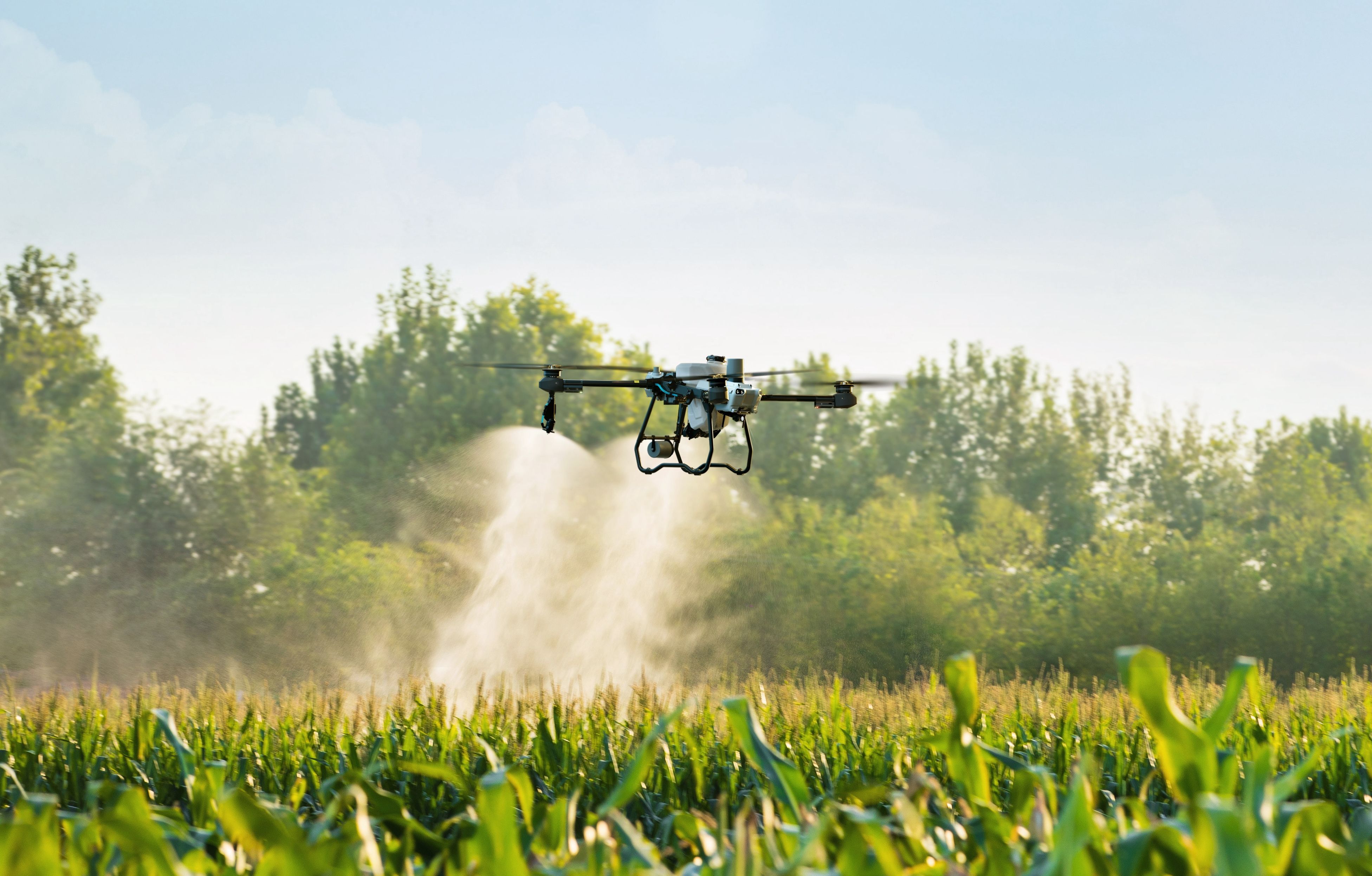
With drone spraying in California, application is targeted. Drones follow mapped flight paths and apply product only where needed, which often leads to
- Lower total chemical use
- Less overspray at field edges
- Better coverage in tight or uneven areas
For many farms, reduced chemical waste alone offsets a significant portion of application cost.
2. Labor and Equipment Costs
Ground rigs require operators, fuel, and repeated passes across the field. Planes require coordination, minimum acreage, and higher per-hour costs.
Drone spraying typically involves smaller crews and less equipment staging. Farms using precision drone agriculture often see savings through:
- Fewer labor hours per acre
- Reduced fuel consumption
- Less wear on tractors and sprayers
This is especially noticeable on partial fields, border treatments, and follow-up passes.
3. Soil Compaction and Yield Impact
Soil compaction is an indirect cost that often gets overlooked. Repeated passes with heavy equipment can reduce root development, water infiltration, and long-term yield.
Drone spraying eliminates wheel traffic entirely. For permanent crops, vineyards, and wet or freshly irrigated fields, avoiding compaction protects yield potential that doesn’t show up on a spray invoice but matters at harvest.
Where Traditional Spraying Still Makes Sense
Drone spraying is not a universal replacement.
Traditional methods often remain more economical when:
- Treating very large, flat fields at high gallons per acre
- Applying bulk products that require heavy carrier volumes
- Long, uninterrupted runs favor large boom efficiency
Many farms continue using ground rigs for broad, uniform applications while reserving drones for targeted work. This hybrid approach is becoming common across Southern California.
Where Drone Spraying Delivers the Biggest Savings
Drone spraying tends to outperform traditional methods in specific scenarios:
- Spot treatments for pests or disease outbreaks
- Irregular field shapes or narrow blocks
- Orchards and vineyards with tight row spacing
- Fields that are too wet or steep for equipment
- Sensitive areas near waterways or property lines
Using spot treatments, farms avoid treating entire fields when only small areas need attention. That alone can dramatically reduce cost per treated acre.
Timing and Flexibility: An Overlooked Cost Advantage
Weather windows are shrinking. Wind, heat, and moisture can delay ground or aerial applications, sometimes forcing late treatments that reduce effectiveness.
Drones can operate early morning or late evening when conditions are calm. With agricultural drone services in California, farms gain flexibility that helps:
- Apply fungicides or insecticides on time
- Reduce re-applications caused by poor coverage
- Avoid yield losses tied to delayed treatment
Timeliness doesn’t always show up as a line item, but it directly affects return on input spend.
Comparing Application Accuracy and Drift Risk
Drift is both a financial and regulatory risk. Traditional spraying near roads, homes, or waterways often requires buffers or skipped zones.
Drone spraying operates at low altitude with controlled droplet placement, reducing drift and helping farms stay compliant. This is particularly valuable in Southern California, where proximity to urban areas is common.
A Practical Cost Comparison Example
On many mixed-use farms, the cost breakdown looks like this:
- Traditional spraying remains cost-effective for full-field passes
- Drone spraying reduces total spend on follow-ups, borders, and problem zones
- Chemical savings and reduced labor offset per-acre drone costs
The result isn’t choosing one method over the other, but using each where it performs best.
Compliance, Safety, and Hidden Cost Control
Licensed drone operators follow strict safety and application standards. Specialty Drone Solutions conducts all operations under FAA and agricultural regulations using trained pilots and documented procedures.
This reduces risk related to:
- Off-label application
- Drift complaints
- Worker exposure
- Audit or compliance issues
Avoiding one regulatory problem can outweigh the cost difference between methods.
The Takeaway: Which Spraying Method Saves More?
The honest answer is this:
Drone spraying saves more when precision matters.
Traditional spraying saves more when volume matters.
Farms that understand this distinction are the ones reducing costs without sacrificing performance.
With tools like:
- Agricultural drone spraying for targeted control
- Spot treatments instead of blanket passes
- Traditional rigs for large, uniform acres
Specialty Drone Solutions helps Southern California growers build smarter application strategies instead of forcing one method to do everything.
If your goal is to cut waste, protect yield, and apply inputs where they actually pay, the question isn’t drone spraying or traditional spraying.
It’s how to use both intelligently.