

Modern agriculture is becoming increasingly data-driven, efficient, and technology-focused. Farmers today face growing pressure to maximize yields, reduce operating costs, conserve resources, and maintain sustainable farming practices while dealing with labor shortages and changing environmental conditions.
Agricultural drones have emerged as one of the most valuable technologies supporting these evolving farming demands. Once considered experimental tools, drones are now widely used across crop production operations for field monitoring, aerial application, mapping, and precision agriculture management.
By providing real-time aerial insights and targeted application capabilities, agricultural drones help farmers make faster and more informed decisions while improving operational efficiency across the entire growing season.
The Growing Role of Drones in Modern Agriculture
Agricultural drones are transforming how farms collect data, monitor crop health, and manage inputs. Instead of relying solely on manual scouting or traditional equipment, farmers can now use drones to gather detailed aerial information quickly and accurately.
Drone technology supports multiple agricultural operations, including:
- Crop monitoring
- Field mapping
- Aerial spraying
- Plant health analysis
- Irrigation assessment
- Pest identification
- Nutrient management
- Yield optimization
As precision agriculture continues expanding, drones are becoming central tools for improving productivity while reducing unnecessary resource usage.
You can learn more about modern aerial farming operations in What Is Aerial Application.
How Agricultural Drones Improve Crop Monitoring
Traditional crop scouting often requires significant labor and time, especially on large farming operations. Walking fields manually may also delay the identification of developing issues.
Agricultural drones provide fast aerial visibility across entire fields, helping farmers monitor conditions more efficiently.
Drone-based crop monitoring allows operators to identify:
- Plant stress
- Irrigation issues
- Disease outbreaks
- Pest damage
- Nutrient deficiencies
- Uneven crop growth
- Soil variability
High-resolution aerial imagery gives farmers a broader understanding of field conditions compared to ground-level observation alone.
Early problem detection allows for faster corrective action, reducing potential yield loss and improving overall crop management.
Real-Time Data Supports Faster Decision-Making
One of the biggest advantages of drone technology is the ability to collect real-time data during critical stages of crop development.
Drone systems equipped with advanced imaging sensors can generate detailed maps and field analysis within a short period.
This data helps farmers make informed decisions regarding:
- Fertilizer application
- Irrigation adjustments
- Crop protection strategies
- Replanting needs
- Harvest planning
Rather than treating entire fields uniformly, growers can focus resources only where needed.
This targeted approach improves operational efficiency and supports precision farming strategies.
Related reading: Precision Drone Agriculture.
Precision Agriculture and Resource Optimization
Precision agriculture focuses on maximizing efficiency by using data to guide farming decisions. Drones play a major role in this process by delivering accurate aerial insights and targeted application capabilities.
Precision drone systems help optimize:
- Water usage
- Fertilizer application
- Chemical treatments
- Labor allocation
- Equipment usage
- Fuel consumption
Reducing unnecessary input application lowers costs while minimizing environmental impact.
Farmers can also improve crop consistency by addressing field variability more effectively.
As sustainability becomes increasingly important in agriculture, precision drone operations provide practical solutions for balancing productivity with responsible resource management.
Drone Spraying Improves Application Accuracy
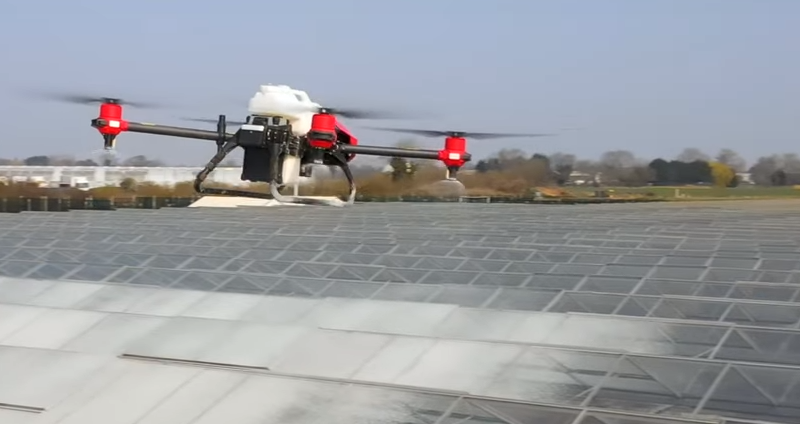
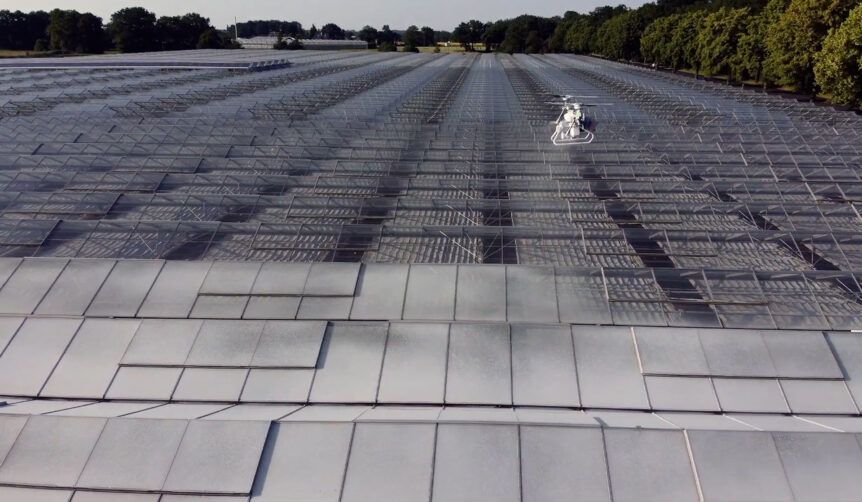
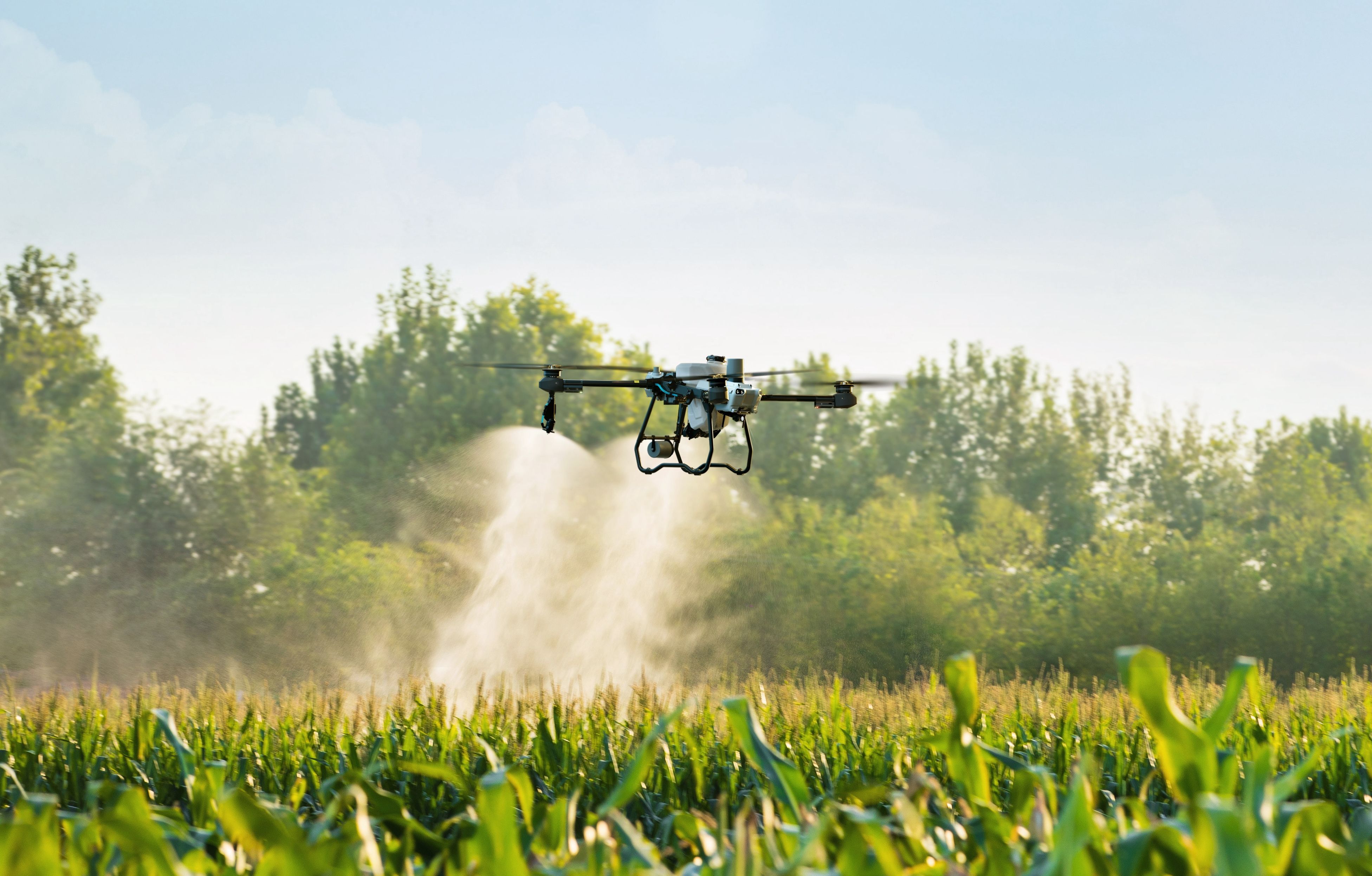
Drone spraying technology has become one of the fastest-growing applications in modern agriculture.
Agricultural spraying drones allow operators to apply crop protection products with greater precision and efficiency compared to some traditional methods.
Drone spraying systems can target:
- Herbicides
- Fungicides
- Insecticides
- Foliar nutrients
- Biological products
Precision flight controls and automated application systems help ensure more uniform coverage across fields.
Drones are especially useful for difficult terrain, wet fields, specialty crops, and areas inaccessible to traditional ground equipment.
You can explore this technology further in Agricultural Drone Spraying.
Reducing Soil Compaction With Drone Applications
Traditional spraying equipment often requires heavy machinery to travel through fields repeatedly. This can create soil compaction that negatively affects root growth and crop performance.
Drone applications reduce the need for heavy equipment traffic because aerial systems operate above the crop canopy.
Benefits of reduced soil compaction include:
- Improved root development
- Better water infiltration
- Healthier soil structure
- Reduced crop damage
- Improved long-term field productivity
This is particularly beneficial during wet conditions when ground equipment may struggle to access fields without causing additional damage.
Drones Increase Efficiency During Critical Timing Windows
Timing is critical in agriculture. Delayed crop treatments can reduce effectiveness and impact yields.
Agricultural drones allow growers to respond quickly when conditions require immediate action.
Drone systems can operate efficiently during:
- Narrow treatment windows
- Wet field conditions
- High crop growth stages
- Limited labor availability
Because drones are highly mobile and require less setup time than larger equipment, they help farmers complete applications faster during time-sensitive situations.
This flexibility can improve disease control, pest management, and nutrient application effectiveness.
Related reading: Drone Spraying California.
Improving Sustainability Through Drone Technology
Sustainable farming practices continue becoming more important across the agricultural industry. Drones support sustainability goals by improving application precision and reducing waste.
Environmental benefits of agricultural drones may include:
- Lower chemical overapplication
- Reduced fuel consumption
- Minimized runoff risk
- Improved water management
- Reduced soil disturbance
- Lower emissions compared to larger machinery
Targeted treatment applications also help preserve beneficial organisms and reduce unnecessary environmental exposure.
Many growers are adopting drone technology as part of broader sustainability and conservation farming strategies.
For more insight, see Role of Agricultural Drones in Sustainable Farming.
Accessing Difficult Areas More Easily
Certain field conditions can limit the effectiveness of traditional ground equipment.
Examples include:
- Muddy terrain
- Steep slopes
- Flooded sections
- Dense crop canopies
- Sensitive specialty crops
Drones can access these areas more safely and efficiently because they do not rely on direct ground contact.
This flexibility allows growers to maintain crop treatment schedules even when field conditions become challenging.
Specialty crop operations and orchards often benefit significantly from aerial drone applications due to limited equipment accessibility.
Labor Efficiency and Operational Flexibility
Labor shortages continue affecting many agricultural regions. Drone technology helps reduce manual labor demands by automating several monitoring and application tasks.
Benefits include:
- Faster field scouting
- Reduced manual inspections
- Automated flight paths
- Efficient application coverage
- Lower equipment staffing requirements
Drone systems also allow smaller crews to manage larger areas more effectively.
This improved labor efficiency supports better operational flexibility during busy growing seasons.
Advanced Imaging Technology Enhances Field Analysis
Modern agricultural drones use advanced imaging systems that provide deeper insights into crop conditions.
These may include:
- Multispectral imaging
- Thermal imaging
- NDVI analysis
- High-resolution mapping
- Infrared sensing
These technologies help identify stress patterns not visible to the naked eye.
Farmers can use aerial imaging data to detect problems earlier and prioritize management decisions more effectively.
Data-driven agriculture is becoming increasingly important for maintaining productivity in competitive farming environments.
Drone Services Help Farms Scale Technology Adoption
Not every farming operation needs to purchase and manage drone equipment independently. Professional drone service providers offer specialized support for aerial applications and crop monitoring.
Professional services help growers access:
- Certified drone operators
- Precision mapping technology
- Application expertise
- Regulatory compliance support
- Advanced imaging analysis
This allows farms to benefit from drone technology without the upfront investment and operational complexity of maintaining their own drone fleets.
For more information, visit Professional Drone Services.
Comparing Drone Spraying to Traditional Methods
Drone spraying offers several advantages over traditional application systems depending on crop type, terrain, and operational goals.
Potential advantages include:
- Reduced crop damage
- Lower soil compaction
- Improved precision
- Faster deployment
- Better accessibility
- Reduced water usage
However, traditional systems may still remain practical for very large acreage applications requiring high-volume coverage.
Many operations now use drones alongside traditional equipment as part of integrated crop management strategies.
You can compare these approaches in Drone Spraying vs Traditional Spraying Which Saves More.
The Future of Agricultural Drone Technology
Agricultural drone systems continue evolving rapidly as precision farming technology advances.
Future developments may include:
- AI-powered crop analysis
- Autonomous drone fleets
- Real-time disease detection
- Advanced application automation
- Integrated farm management systems
- Improved battery efficiency
- Enhanced sensor technology
As farms increasingly rely on data-driven operations, drones will likely become even more integrated into daily agricultural management.
The combination of automation, precision application, and aerial analytics positions drones as long-term tools for improving agricultural productivity and sustainability.
Final Thoughts
Agricultural drones are reshaping modern farming by improving crop monitoring, application precision, and overall field efficiency. From aerial mapping and real-time crop analysis to targeted spraying and sustainability support, drones provide valuable tools for managing today’s agricultural challenges.
As precision farming continues expanding, drone technology offers growers practical ways to reduce waste, improve decision-making, and optimize resource usage while maintaining productivity.
Whether supporting crop scouting, aerial application, or advanced field analysis, agricultural drones are becoming an essential part of efficient and sustainable farming operations across modern agriculture.