

Drone technology has brought about a revolutionary change in precision agriculture. Through advanced aerial imaging and data collection, drones enable farmers to make informed, data-driven decisions that enhance productivity, reduce costs, and improve sustainability. The marriage of drone technology with precision agriculture is not just a trend—it’s a game-changer for modern farming.
In this article, we will explore how drones are shaping the future of agriculture, focusing on their role in improving crop management, optimizing farming practices, and driving data-driven decisions.
What is Precision Agriculture?
Precision agriculture refers to farming practices that use technology and data to optimize crop production. By employing tools like GPS, sensors, drones, and satellite imagery, farmers can monitor soil health, irrigation needs, crop conditions, and pest threats in real time. This approach helps farmers make well-informed decisions, reduce resource waste, and increase crop yields.
The Role of Drones in Precision Agriculture
Drones have become an essential tool for precision agriculture. They allow farmers to monitor large areas of farmland quickly and efficiently, collecting data that would otherwise take hours or days to gather through traditional methods. Let’s explore how drones contribute to various aspects of modern farming.
1. Crop Monitoring and Health Assessment
One of the primary applications of drones in agriculture is crop monitoring. Drones equipped with advanced sensors and cameras capture high-resolution aerial imagery of fields, which can be analyzed to assess the health of crops. By using infrared and multispectral imaging, drones can detect issues like pest infestations, nutrient deficiencies, and plant diseases that might not be visible to the naked eye.
Farmers can then use this data to take timely action, applying pesticides, fertilizers, or water only where needed, which minimizes the environmental impact and reduces input costs. With the ability to assess crop health in real-time, farmers can make more informed decisions about their crops, improving their overall productivity.
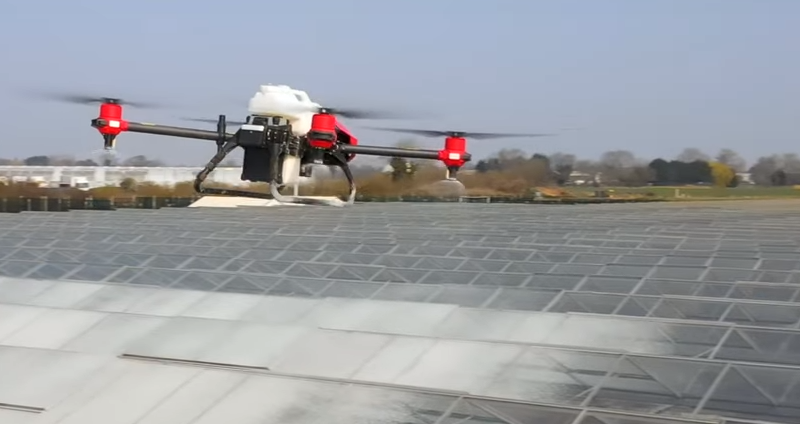
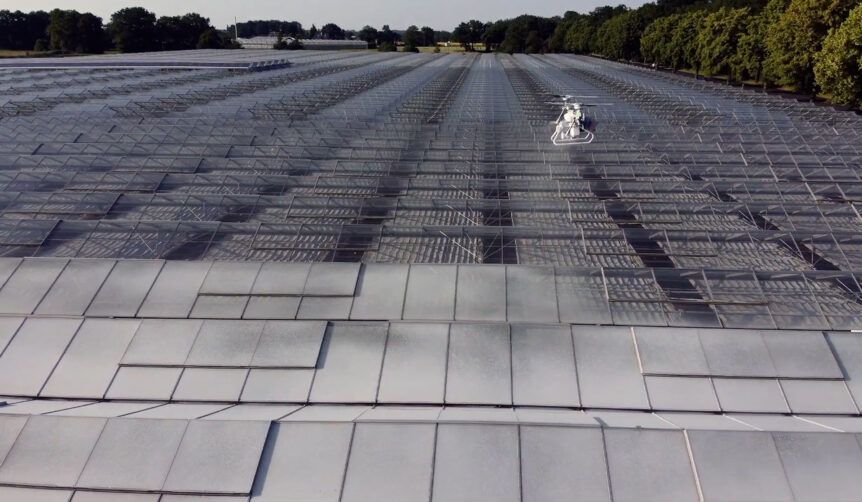
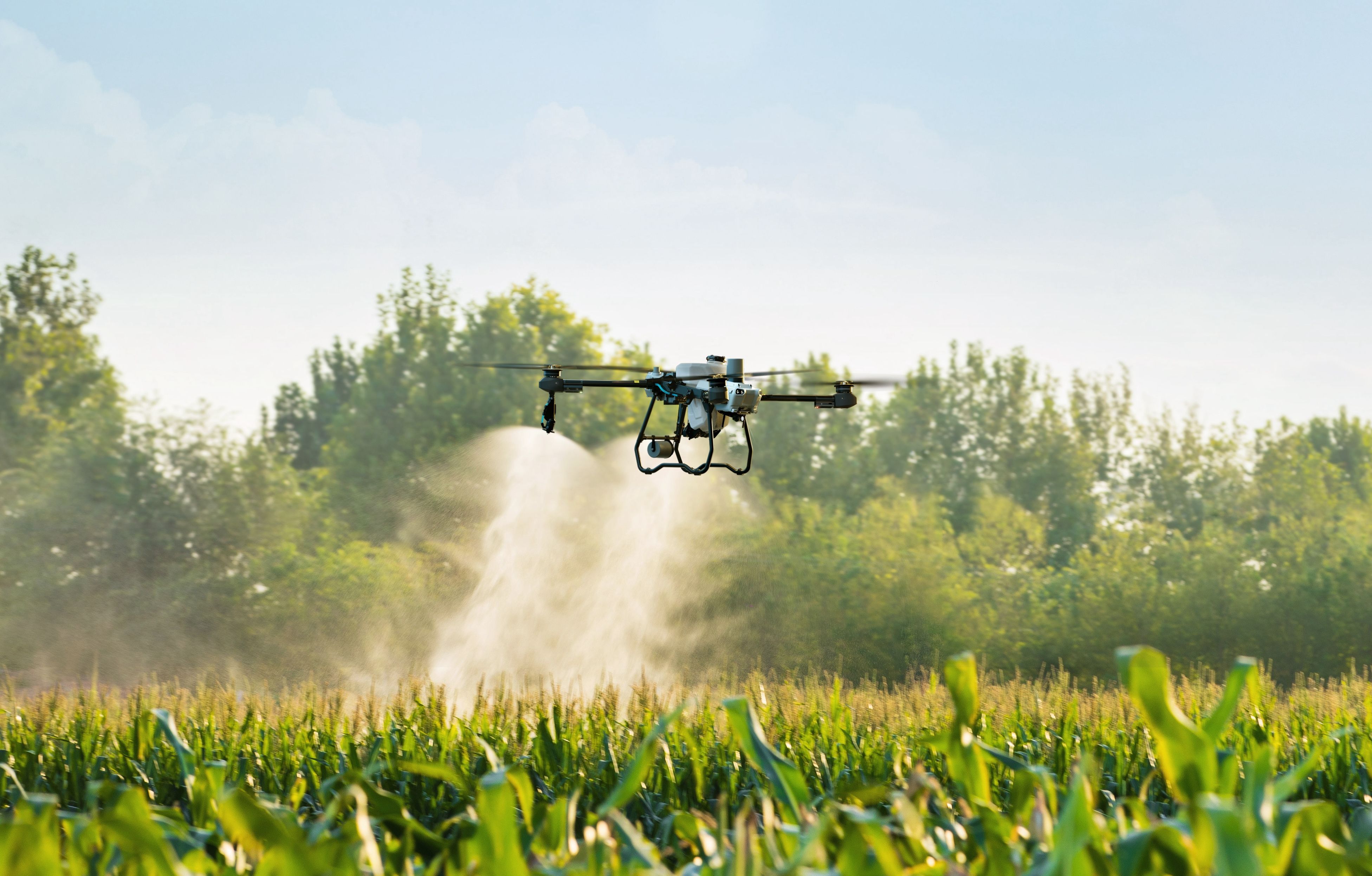
For instance, drone spraying services in California use precise data from drone surveillance to target specific areas for treatment, ensuring that every part of the field receives the exact amount of input it needs.
2. Irrigation Management
Water is one of the most vital resources in agriculture, and managing its use effectively can make a significant difference in both cost and crop health. Drones equipped with thermal imaging sensors can detect areas of the field that are over or under-watered, allowing farmers to optimize irrigation systems. This precision reduces water waste, conserves resources, and helps maintain healthy crops.
By combining drone data with existing irrigation systems, farmers can make data-driven decisions to improve water efficiency. This approach ensures that crops receive the right amount of water, while also preventing soil erosion and the spread of disease caused by over-watering.
3. Soil Health and Nutrient Management
Drones play an important role in soil health management by providing farmers with detailed insights into soil conditions. Through various sensors, drones can analyze soil texture, moisture levels, and organic matter content. By monitoring these factors regularly, farmers can understand the soil’s needs and apply fertilizers and other amendments in precise amounts.
By using drone-based soil health assessments, farmers can adopt a more sustainable approach to farming, applying nutrients where they are needed most. This data-driven approach reduces the risk of over-fertilizing, which can lead to soil degradation and environmental harm.
Precision drone agriculture techniques, backed by accurate soil data, also help improve soil health over time by identifying trends and adjusting farming practices accordingly.
4. Pest and Weed Management
Pest and weed control is another area where drone technology has made a significant impact. Drones can be used to identify weed outbreaks or pest infestations in their early stages. With high-resolution imagery and multispectral analysis, drones can map out problem areas within fields, enabling farmers to target specific locations with herbicides or insecticides, rather than applying chemicals uniformly over the entire field.
This approach reduces pesticide use, minimizes environmental damage, and saves costs. Additionally, it ensures that only the affected areas are treated, preventing the spread of pests or weeds to healthy crops. By implementing drone-based pest and weed management, farmers can improve both their productivity and sustainability.
5. Data Integration and Decision Support Systems
The key to successful precision agriculture lies in data integration and analysis. Drones capture vast amounts of data, but without proper analysis, this information is of limited use. By integrating drone-collected data with other farming systems such as GPS, soil sensors, and weather data, farmers can create detailed models that predict outcomes and optimize farming practices.
These data-driven insights enable farmers to make decisions based on a comprehensive view of their fields, including aspects like crop performance, environmental conditions, and input requirements. Decision support systems powered by drone data can help farmers forecast yields, identify trends, and plan for future seasons with greater accuracy.
Incorporating precision agricultural drone services into this ecosystem enhances a farmer’s ability to make proactive decisions that increase both efficiency and sustainability.
Benefits of Data-Driven Decisions in Farming
Data-driven decision-making offers a range of benefits to farmers, from improving yields to conserving resources. Here are some of the key advantages of using drone technology for data collection and analysis in farming.
1. Increased Efficiency and Productivity
By providing accurate, real-time data, drones help farmers optimize their resources and workflows. Farmers can spend less time scouting their fields and more time addressing issues that directly impact crop health. As a result, farming becomes more efficient, and productivity increases.
2. Cost Savings
Drones help reduce input costs by ensuring that fertilizers, pesticides, and water are applied only where necessary. By minimizing waste, farmers can lower their operating expenses while achieving the same or even better results. Additionally, the ability to assess crop health and soil conditions early allows farmers to make informed decisions that prevent costly crop losses.
3. Sustainable Farming Practices
Sustainability is a key focus of modern agriculture, and drones are helping farmers reduce their environmental footprint. By using drone technology to apply inputs precisely, farmers can reduce chemical runoff, minimize soil compaction, and protect local ecosystems. Sustainable farming practices lead to healthier soils, cleaner water, and better long-term productivity.
4. Enhanced Crop Yield
Data-driven decision-making enables farmers to maximize crop yields by optimizing the conditions for plant growth. With drones providing real-time insights into soil health, pest management, and irrigation, farmers can take proactive measures that improve crop performance. This results in higher yields and better-quality produce, which is crucial for maintaining profitability.
Conclusion
Drone technology is transforming agriculture by enabling data-driven decisions that enhance efficiency, reduce costs, and improve sustainability. Through precise crop monitoring, soil health management, pest control, and irrigation optimization, drones are helping farmers manage their resources more effectively and improve crop yields.
As the adoption of drone technology in agriculture continues to grow, it will play an even greater role in shaping the future of farming. By leveraging the power of drones, farmers can make informed decisions that contribute to more sustainable and profitable farming practices.